Money-Saving Smart Home Gadgets: 10 Proven Devices That Cut Your Bills
Money-saving smart home gadgets that lower energy bills, cut water waste, and stop wasted spending while keeping your home comfortable.
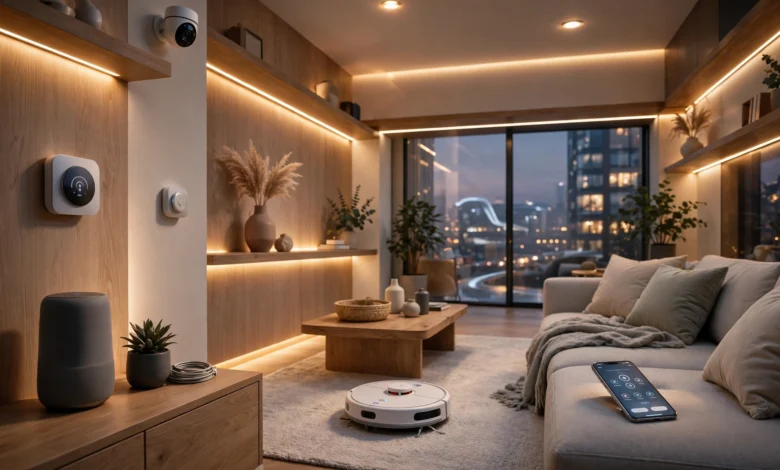
Money-saving smart home gadgets are no longer a novelty for tech enthusiasts. They’ve become one of the most practical ways for ordinary households to lower monthly bills without giving up comfort. If you’ve ever opened a utility bill and wondered where all that money went, the answer is usually hiding in plain sight: a furnace running while nobody’s home, lights left on in empty rooms, a water heater working overtime, or a slow leak nobody noticed for weeks.
The good news is that fixing these problems doesn’t require a full home renovation. A handful of well-chosen smart home devices can pay for themselves within months and then keep saving you money for years. Some work by automating things you’d otherwise forget to do, like turning off lights or adjusting the thermostat. Others catch problems early, like a leaking pipe or a fridge door left ajar, before they turn into expensive repairs.
In this guide, we’ll walk through ten money-saving smart home gadgets that genuinely move the needle on your bills, not just ones that sound impressive in a product listing. For each one, we’ll cover how it works, how much it typically saves, and what to look for before you buy. By the end, you’ll have a clear shortlist of upgrades worth your money.
EXPLORE THE CONTENTS
1. Smart Thermostats
Heating and cooling account for close to half of a typical home’s energy use, which makes the smart thermostat the single most impactful of all the money-saving smart home gadgets on this list. Instead of running your HVAC system on a fixed schedule (or worse, whatever temperature someone set it to last winter), a smart thermostat learns your habits and adjusts automatically.
How It Saves Money
A smart thermostat lowers or raises the temperature when you’re asleep or away, then brings it back to a comfortable range right before you wake up or get home. According to ENERGY STAR, households can save around 8% on heating and cooling costs by using a certified smart thermostat correctly. Over a year, that adds up to real money, especially in climates with harsh winters or summers.
What to Look For
- Geofencing, so it knows when you’ve left the house based on your phone’s location
- Compatibility with your existing HVAC system (check before buying)
- A learning mode that builds a schedule from your behavior instead of requiring manual setup
- Remote control through an app, useful for adjusting the temperature before you get home
2. Smart Power Strips and Smart Plugs
Even when they’re switched off, many electronics keep drawing a small amount of power. This is often called “phantom load” or “vampire power,” and it can quietly add 5-10% to your electricity bill. Smart plugs and smart power strips solve this by cutting power completely to devices that aren’t in use.
How They Work
You plug your TV, gaming console, coffee maker, or charger into a smart plug, then set a schedule or use an app to turn it off when it’s not needed. Some models detect when a device goes idle and cut power automatically, so you don’t have to remember to do it yourself.


Best Use Cases
- Entertainment centers with multiple devices that stay in standby mode
- Kitchen appliances that don’t need to be powered overnight
- Home office equipment like monitors and printers
- Holiday lighting, which is easy to forget and leave running for hours
Smart plugs are also one of the cheapest entry points into money-saving smart home gadgets, often costing less than a takeout dinner, which makes them a low-risk way to start saving.
3. Smart Water Leak Detectors
Water damage is one of the most expensive things that can happen to a home, and it often starts small: a slow drip under a sink, a failing water heater connection, or a washing machine hose that’s about to give out. A smart water leak detector, one of the more overlooked money-saving smart home gadgets, catches these problems before they become a five-figure repair bill.
How It Saves Money
These small sensors sit near appliances, water heaters, or under sinks and send an alert to your phone the moment they detect moisture. Some advanced systems, like whole-home leak detection valves, can automatically shut off your main water supply when a leak is detected, even if you’re not home. Insurance companies increasingly offer discounts to homeowners who install these systems, since they reduce the likelihood of a costly claim.
Where to Install Them
- Under kitchen and bathroom sinks
- Next to water heaters and washing machines
- Near sump pumps in basements
- Behind refrigerators with ice makers
4. Smart Sprinkler Controllers
Outdoor watering is one of the most wasteful parts of a typical utility bill, particularly for homeowners with lawns or gardens. A smart sprinkler controller replaces your old timer-based system with one that adjusts watering schedules based on real weather data.
How It Saves Money
Instead of watering on a fixed schedule regardless of conditions, these controllers check local weather forecasts, soil moisture, and even the specific plants in each zone of your yard. If it rained yesterday, the system skips watering. If a heatwave is coming, it adjusts accordingly. The U.S. Environmental Protection Agency notes that homes using WaterSense-labeled irrigation controllers can save an average of 7,600 gallons of water annually.
Features Worth Paying For
- Weather-based automatic scheduling
- Zone-by-zone customization for different plant types
- Rain and freeze sensors that pause watering automatically
- Water usage reports so you can track savings over time
5. Smart LED Lighting With Motion Sensors
Lighting is an easy place to waste money, especially in homes with kids, guests, or rooms that don’t get used consistently. Smart lighting paired with motion sensors and scheduling takes the guesswork out of remembering to flip a switch.
How It Saves Money
Smart bulbs use LED technology, which already uses far less electricity than incandescent bulbs. Add motion sensors and scheduling, and you eliminate the common habit of lights burning in empty rooms, hallways, closets, and garages. Dimming features also reduce power draw further, since a bulb at 50% brightness uses roughly half the energy of one running at full output.
Smart Ways to Use Them
- Motion-activated lights in hallways, bathrooms, and closets
- Scheduled outdoor lighting instead of leaving porch lights on all night
- Automatic shutoff after a set period of no motion
- Grouping bulbs by room so you can turn off an entire floor with one tap
6. Smart Water Heater Controllers
Water heating is typically the second-largest energy expense in a home after heating and cooling. A smart water heater controller monitors and adjusts your unit’s operation so it isn’t working around the clock for no reason.
How It Saves Money
These devices track your hot water usage patterns and adjust heating cycles accordingly, so the tank isn’t kept at full temperature 24 hours a day when you only use hot water for a few hours each morning and evening. Some models also send maintenance alerts, like warnings about sediment buildup or a failing heating element, which helps you avoid a full unit replacement down the line.
Who Benefits Most
- Households with predictable daily routines (easier for the system to learn)
- Homes with older water heaters that lack built-in efficiency modes
- Anyone who’s noticed a spike in gas or electric bills tied to hot water use
7. Smart Blinds and Window Coverings
Windows are a major source of heat gain in summer and heat loss in winter. Smart blinds automate the process of managing natural light and insulation without you having to think about it.
How They Save Money
By closing automatically during the hottest part of the day, smart blinds block solar heat and reduce how hard your air conditioner has to work. In winter, they can open during sunny hours to let in free heat, then close at night to add an extra layer of insulation against the cold glass. This small adjustment, repeated daily, adds up to a noticeable dip in heating and cooling costs.
Setup Tips
- Program blinds to close during peak afternoon sun in summer
- Sync them with your smart thermostat for coordinated temperature control
- Use light sensors so they respond to actual conditions, not just a fixed clock
8. Whole-Home Energy Monitors
You can’t manage what you don’t measure, and that’s exactly the problem a whole-home energy monitor solves. These devices attach to your electrical panel and track real-time energy use across every circuit in your house.
How It Saves Money
Energy monitors break down your usage by device or circuit, so you can actually see which appliances are costing you the most. Many people are surprised to learn that an old refrigerator, a space heater, or a pool pump is quietly driving up their bill far more than expected. Once you can see the data, it becomes much easier to make targeted changes, like replacing an inefficient appliance or adjusting when you run high-draw devices.
What to Expect
- Real-time alerts for unusual spikes in usage
- Historical data to track savings after making changes
- Integration with utility rate plans, useful if you’re on time-of-use billing
- Early warning signs of a failing appliance, since a motor drawing more power than usual can signal a problem
9. Smart Refrigerator and Freezer Sensors
A refrigerator or freezer door left slightly ajar can spoil hundreds of dollars of food and spike your electricity use within hours. Smart appliance sensors are a simple, affordable fix for this common and costly mistake.
How They Save Money
These small sensors attach to your fridge or freezer door and send a phone alert if it’s been open too long or isn’t sealing properly. Some also monitor internal temperature, warning you if the unit is struggling to stay cold, which could indicate a worn seal or a mechanical issue worth fixing before it leads to a full appliance replacement.
Why They’re Worth It
- Prevents spoiled groceries from a door left open by accident
- Flags temperature problems before food safety becomes a concern
- Costs a fraction of what a single ruined grocery trip would cost
- Easy to install without any tools or professional help
10. Smart Vents and Zoning Systems
Not every room in your home needs the same amount of heating or cooling at the same time. Smart vents let you direct airflow to the rooms that need it and cut it off in rooms that don’t, turning a one-size-fits-all HVAC system into something closer to a zoned setup.
How It Saves Money
Instead of heating or cooling an entire house evenly, smart vents redirect airflow based on which rooms are occupied and what temperature they’re set to. A guest room that’s rarely used doesn’t need to be conditioned around the clock. Over time, this targeted approach reduces the total load on your HVAC system, which lowers energy use and can extend the life of the equipment itself.
Getting Started
- Start with the rooms you use least, like guest bedrooms or formal dining rooms
- Pair smart vents with a compatible smart thermostat for the best results
- Check that your ductwork and HVAC system can handle vent-level control before buying a full set
Putting It All Together: Choosing the Right Money-Saving Smart Home Gadgets for You
None of these gadgets require you to overhaul your home overnight. A practical approach is to start with the device that addresses your biggest known expense, usually a smart thermostat if heating and cooling costs are high, or a leak detector if you’re in an older home with aging plumbing. From there, you can add smart plugs, lighting, and monitoring tools gradually, tracking your bills along the way to see what’s actually making a difference. The combined effect of a few well-placed money-saving smart home gadgets is often bigger than people expect, not because any single device works magic, but because they each quietly eliminate a small, repeated waste that adds up month after month.
Conclusion
Cutting your household bills doesn’t have to mean sacrificing comfort or spending a weekend on complicated renovations. The money-saving smart home gadgets covered here, from smart thermostats and leak detectors to smart plugs and energy monitors, each target a specific source of everyday waste, whether that’s an empty room left heated, a phantom electrical load, or a leak nobody noticed in time. Individually, each device offers a modest but real saving. Together, they can meaningfully lower your monthly bills while also protecting your home from costly, avoidable damage. Start with one or two that match your biggest pain points, track the results, and expand from there.