Layer Bedding Like a Luxury Hotel: 7 Proven Secrets for a Dreamy Bedroom
Layer bedding like a luxury hotel with this practical guide to sheets, blankets, duvets, and pillows for a plush five star bed at home.
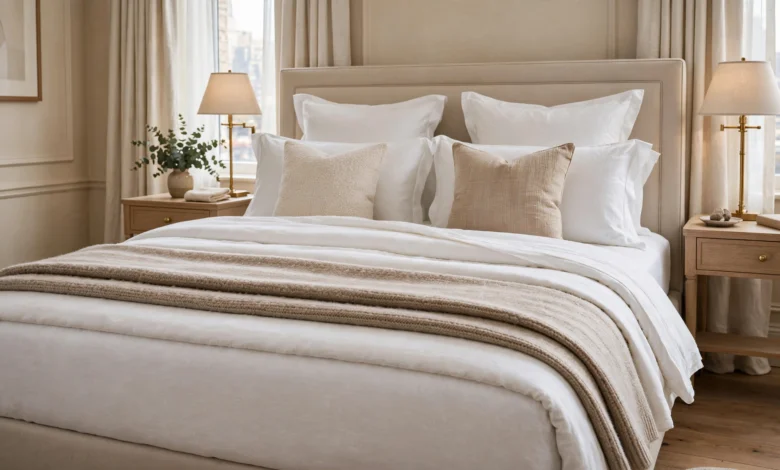
To layer bedding like a luxury hotel, you do not need a bottomless budget or a background in interior design. You need the right pieces, stacked in the right order, with a little attention to detail at the finish. Anyone who has flopped onto a hotel mattress after a long day of travel knows the feeling: the sheets are crisp, the duvet is cloud-like, and the whole bed looks like it was made by someone who actually knows what they are doing. That is not an accident. Hotels follow a repeatable system, and once you understand it, you can bring that same feeling home.
This guide breaks down exactly how to layer a bed like a hotel, piece by piece, from the mattress up to the last decorative pillow. You will learn what goes underneath your sheets, how many layers a real hotel bed actually uses, the folding trick that gives beds that polished restaurant-linen look, and how to adjust everything by season without buying a whole new bedroom’s worth of linens. By the end, you will have a clear, repeatable routine you can use every time you change your sheets, not a one-time styling trick that falls apart the moment someone sits on the bed.
EXPLORE THE CONTENTS
What Does It Mean to Layer Bedding Like a Luxury Hotel?
Layering bedding simply means building your bed in distinct, purposeful stages instead of throwing a fitted sheet and a comforter on top of the mattress and calling it done. Each layer has a job. Some manage temperature, some manage texture, and some exist purely for how they look. When you layer bedding like a luxury hotel, you are combining these functions so the bed feels substantial and looks intentional, rather than sparse or thrown together.
A typical hotel bed includes somewhere between five and eight layers, depending on the property and the season. That might sound like overkill for a home bedroom, but most of these layers are thin. The goal is depth and structure, not bulk.
Why Hotel Beds Feel So Much Better Than Yours
Before getting into the steps, it helps to understand what is actually happening underneath those sheets. A few things separate hotel-style bedding from the average home setup:
- Quality fill, not just quality fabric. Hotels invest in duvets and pillows with high loft, meaning the filling stays puffed up instead of going flat after a night of use.
- A protective base layer. Most hotels use a mattress protector or topper before anything else touches the mattress, which keeps the surface fresh and adds a subtle softness.
- More than one sheet. Many hotels use two flat sheets or a topsheet plus a duvet cover, which adds a smooth, breathable barrier between you and the heavier layers.
- Neutral, coordinated colors. White, cream, and soft gray dominate hotel bedding because these tones photograph well, hide wear, and never clash with a room’s decor.
- Consistent maintenance. Housekeeping fluffs pillows and shakes out duvets daily. A bed that looks perfect once is easy. A bed that looks perfect every day takes a system.
None of these are secrets exactly, but together they explain why a hotel bed feels different the moment you walk into the room.
The Essential Pieces You Need Before You Start
You do not need every item on this list to get a great result, but the more of these you have, the closer you will get to a true hotel-style bed.


Mattress Topper or Protector
This is the layer most people skip, and it is one of the biggest reasons hotel beds feel so plush. A quilted mattress topper or protector adds a soft cushion between you and the mattress, protects against spills and allergens, and gives every layer above it a smoother foundation to sit on. If your mattress is older or on the firmer side, a topper alone can dramatically change how the bed feels.
Sheets: Fitted, Flat, and the Triple Sheet Method
Start with a fitted sheet that hugs the mattress tightly and smoothly. Add a flat sheet on top of that. Some hotels go a step further with what is often called the triple sheet method: fitted sheet, flat sheet, then a second flat sheet or duvet cover layered so the duvet insert never has to be washed directly. This is also the reason hotel beds always look so clean. The fabric touching you is always freshly laundered, even when the duvet insert itself is only cleaned occasionally.
Look for percale weave if you prefer a crisp, cool feel, or sateen if you want something with a bit more sheen and drape. A thread count between 300 and 400 is generally the sweet spot for comfort and durability without paying for marketing fluff. According to the <cite index=”19-1″>Sleep Foundation</cite>, mattress and bedding choices play a meaningful role in overall sleep quality, which is worth keeping in mind when you decide where to invest.
A Lightweight Blanket or Coverlet
This is the layer most home beds are missing entirely. A thin waffle-weave blanket, cotton coverlet, or lightweight wool throw sits between your top sheet and your duvet. It adds warmth without bulk and gives the bed visual depth once it is folded back. This single addition is often the difference between a bed that looks flat and one that looks layered.
Duvet and Duvet Cover
The duvet is the centerpiece. Choose an insert with medium to high loft, either down or a down-alternative if you prefer something hypoallergenic and easier to care for. Pair it with a duvet cover in a solid, neutral shade so it reads as clean and cohesive rather than busy. A duvet one size larger than your mattress (a king duvet on a queen bed, for example) gives you that extra drape over the sides that hotel beds are known for.
Pillows and Shams
Hotels typically layer at least two sleeping pillows per person, often a firmer support pillow underneath a softer down or down-alternative pillow on top. Above those, Euro shams add height and structure, and one or two smaller decorative pillows finish the look. Keep the total pillow count reasonable. Three to five pillows on a queen or king bed usually looks intentional. Ten pillows just looks like laundry day.
Step-by-Step: How to Layer Bedding Like a Luxury Hotel
Once you have your pieces gathered, building the bed itself only takes about ten minutes.
- Start with the topper. Fit your mattress topper or protector snugly over the mattress so there are no gaps or bunching.
- Add the fitted sheet. Pull it tight over all four corners so the surface is smooth. Wrinkles here will show through every layer above it.
- Lay the flat sheet. Center it evenly, then tuck the foot and sides using hospital corners: fold the hanging fabric into a triangle at a 45 degree angle, tuck the point under the mattress, then fold the rest of the drop underneath for a clean, tailored edge.
- Add your lightweight blanket or coverlet. Lay it evenly over the flat sheet, making sure the same amount hangs over both sides of the bed.
- Place the duvet. Position it about two to three inches below where your pillows will sit, and check that it drapes evenly on the left and right.
- Fold the top layers down together. Grab the top edge of the duvet and the sheet beneath it and fold them down about twelve to sixteen inches, roughly the length from your elbow to your fingertips. Smooth the fold so the edge looks crisp and even.
- Build your pillow layers. Place sleeping pillows against the headboard, add Euro shams in front of those, and finish with one or two smaller decorative pillows leaning slightly forward.
- Fluff everything. Shake out the duvet, punch some volume back into each pillow, and smooth any remaining wrinkles by hand.
The Designer Fold That Makes All the Difference
That fold in step six deserves its own mention because it is the single detail people notice most without being able to say why. Folding the sheet and duvet down together, rather than leaving the duvet to hang straight to the headboard, does two things. It shows off the sheet underneath, which adds a visible second layer and a contrast in texture or color, and it creates a soft horizontal line that breaks up what would otherwise be one flat surface. Hotel housekeeping staff practice this fold constantly because it is quick, but it is also the detail that makes a bed look staged rather than simply made.
Choosing Colors and Textures Like a Hotel Stylist
A luxury hotel bed rarely relies on bold pattern to look expensive. Instead, it relies on contrast in texture and a restrained color palette. A few guidelines to keep in mind:
- Keep your base layers, meaning your sheets, in a solid, neutral tone. White, ivory, and light gray are the most forgiving and the easiest to bleach or replace.
- Save any pattern or print for a single top layer, such as a quilt folded at the foot of the bed or one accent pillow.
- Vary the texture between layers. Pair smooth percale sheets with a nubby waffle blanket, or a matte cotton duvet cover with a velvet or faux fur throw pillow.
- Stick to either warm tones or cool tones throughout, then vary the shade and intensity within that family rather than mixing both.
- Use an odd number of decorative pillows. Three tends to look more relaxed and considered than an even, symmetrical count.
Seasonal Layering: Adjusting for Summer and Winter
One advantage of learning to layer bedding like a luxury hotel is that the same system flexes easily with the seasons. You are not buying an entirely new bed setup twice a year, just adjusting the weight of a couple of pieces.
For warmer months:
- Swap your duvet insert for a lightweight or summer weight down alternative.
- Skip the extra blanket layer, or replace it with a thin cotton throw for texture only.
- Choose percale sheets, which sleep cooler than sateen because of their tighter, crisper weave.
For colder months:
- Move to a medium or heavyweight duvet insert.
- Add back the wool or cotton blanket layer between your sheet and duvet for adjustable warmth.
- Consider flannel or brushed cotton sheets as your base layer instead of standard cotton.
Keeping one lightweight and one heavier duvet insert on hand, both inside the same duvet cover system, makes this swap take minutes rather than a full linen closet overhaul.
Common Mistakes to Avoid
Even with the right pieces, a few habits can undercut the whole effect:
- Skipping the flat sheet. It might feel like an extra step, but it protects your duvet cover and gives the bed its clean, tucked-in structure.
- Overstuffing with pillows. More is not always better. A cluttered pile of pillows reads as messy rather than luxurious.
- Ignoring the mattress itself. According to <cite index=”19-1″>Toms Guide</cite>, hotel brands like Westin have found that a pillow-top surface plays a real role in how comfortable a bed feels, so a good topper matters even if you are not ready to replace the mattress.
- Matching every layer exactly. A bed where the sheets, blanket, and duvet are all the same color and pattern tends to look flat instead of layered.
- Never fluffing. A duvet or pillow left compressed for weeks loses its loft. A quick daily shake keeps everything looking full.
How to Keep Your Layered Bed Looking Fresh
Building the bed once is easy. Keeping it looking that way every day is the real habit hotels have mastered.
- Fluff pillows and shake out the duvet each morning after getting up.
- Smooth wrinkles by hand rather than waiting until the next wash.
- Wash sheets weekly, duvet covers every two weeks, and pillows or comforters every two to three months.
- Rotate pillows and toppers occasionally so they wear evenly over time.
- Re-fold the top sheet and duvet fold if it slips out of place during the day.
Frequently Asked Questions
How many layers does a real hotel bed actually have? Most hotel beds use between five and eight layers total, counting the mattress protector, fitted sheet, flat sheet, optional blanket, duvet with cover, and pillows with shams. It sounds like a lot, but several of those layers are thin.
Do I need a duvet and a comforter, or just one? Just one. A duvet with a removable cover is generally easier to maintain than a comforter, since you can wash the cover frequently without laundering the entire insert.
What thread count should I look for in hotel-style sheets? Somewhere between 300 and 400 offers a good balance of softness and durability. Higher thread counts are not automatically better and can sometimes feel heavier or less breathable.
Can I layer a bed like a hotel on a budget? Yes. Start with the two highest-impact pieces: a mattress topper and a well-fitting duvet insert. You can build out the rest of the layers, like a lightweight blanket or Euro shams, over time as your budget allows.
Conclusion
Learning to layer bedding like a luxury hotel comes down to understanding what each piece is actually for and putting them together with a bit of care and consistency, not spending a fortune on designer linens. Start with a good foundation in your topper and sheets, build up through a lightweight blanket and a properly fitted duvet, finish with a thoughtful pillow arrangement and that signature folded edge, and adjust the weight of your layers as the seasons change. Once the system becomes a habit, making your bed stops feeling like a chore and starts feeling like the best part of walking into your bedroom.